

















Hexamethyldisilazane
Description
Hexamethyldisilazane (CAS 999-97-3), commonly abbreviated as HMDS, is a silylating agent used across semiconductor fabrication, surface chemistry, and specialty coatings. Bis(trimethylsilyl)amine is a recognized alternative name in chemical procurement. It functions by converting surface hydroxyl groups into trimethylsilyl groups, rendering substrates hydrophobic.
This process improves adhesion or compatibility with downstream processes. In semiconductor manufacturing, HMDS is applied as a photoresist adhesion promoter for silicon wafer surfaces. Treating surfaces before lithography helps to prevent delamination and improve pattern resolution. Pharmaceutical and analytical laboratories use it to silylate active compounds.
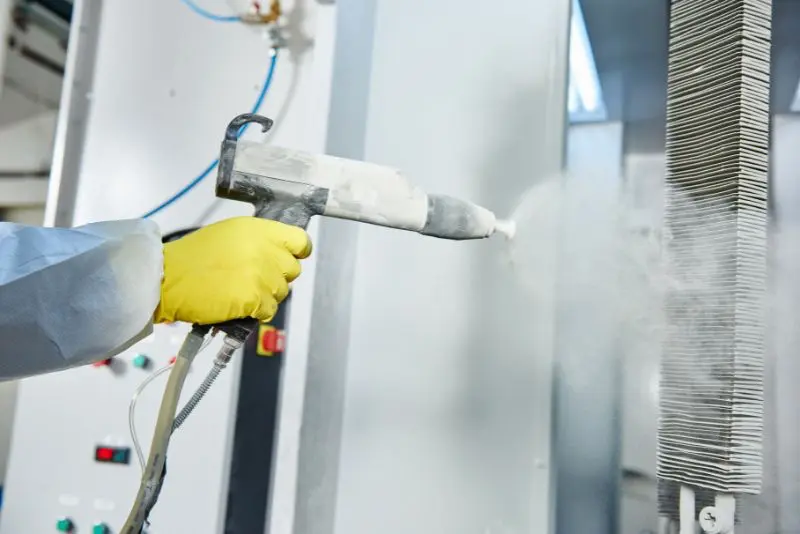
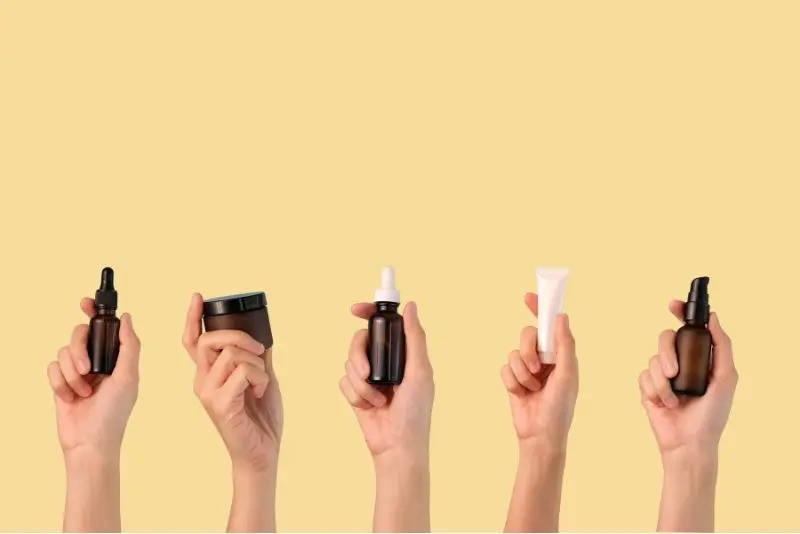
It is also used for chromatography column packings, improving compound stability and peak symmetry in GC analysis. In specialty coatings, it modifies the surface of silica and titanium dioxide. This improves dispersion in hydrophobic resin systems. Personal care formulators apply HMDS-treated powders in cosmetic products where improved skin feel and moisture resistance are required.
HMDS is supplied as a colorless liquid in standard packaging ranging from small reagent quantities up to bulk drums. Technical and reagent grades are the most commonly available. Purity specifications are typically at 97% or higher depending on application requirements. Semiconductor-grade material is available under tighter purity controls for microelectronics.
Other Names (Synonyms)
Trimethyl-N-(trimethylsilyl)silanamine|Bis(trimethylsilyl)amine|1,1,1,3,3,3-Hexamethyldisilazane|(TMS)2NH|((CH3)3Si)2NH|HMDS|1,1,1-Trimethyl-N-(trimethylsilyl)silanamine|Silanamine, 1,1,1-trimethyl-N-(trimethylsilyl)-
Key Technical Features
- High Purity Grade standard
- Consistent Batch Quality
- Full Regulatory & REACH Support
- Global Logistics Network enabled