
















SoleChem

Glutaric acid

Catalysts & Catalyst Precursors Pharmaceuticals & Healthcare
CAS
110-94-1
EC
203-817-2
Mol. Weight
132.11 g/mol

Description

Glutaric acid (CAS 110-94-1), also known commercially as glutarate, is a five-carbon dicarboxylic acid used across pharmaceutical, cosmetic, and food applications as a pH buffer, acidulant, and reactive intermediate.

Its bifunctional acid structure makes it a practical building block for synthesis and a reliable acidifying agent in formulated products. In pharmaceutical manufacturing, it functions as a co-former in active pharmaceutical ingredient salt development.

This material is essential for cocrystal development, improving solubility and stability profiles of drug candidates. Personal care formulators incorporate it as a mild acidulant and buffering agent in skin care products.

Controlled pH levels directly affect preservative efficacy and product shelf life in cosmetic formulations. In food and flavoring applications, it contributes a clean, mild acidic note and supports preservation in processed food systems.

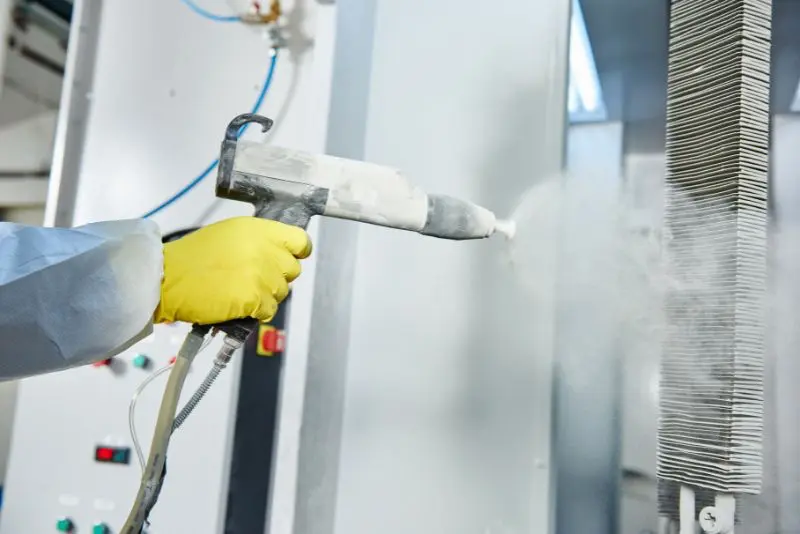
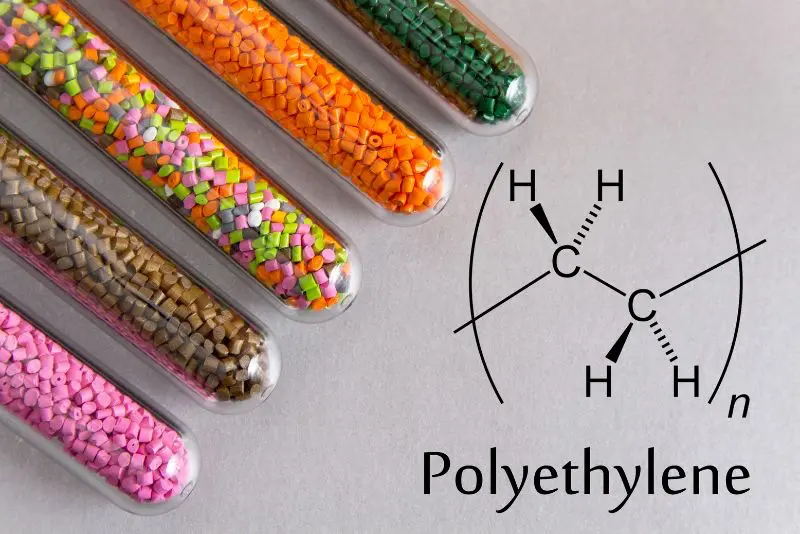
It also serves as a precursor in the synthesis of polyesters, plasticizers, and specialty polymers used across industrial coating and resin formulations. The product is supplied as a white crystalline powder for easy handling.

Food-grade and pharmaceutical-grade material is available, with the latter typically conforming to USP or BP specifications. Technical-grade material is also offered for industrial synthesis and polymer applications.

Contact us for supply of Glutaric acid

Request Quote

Physical Properties

Melting Point 97.5-98 °C
Boiling Point 200 °C @ Press: 20 Torr
Density 1.429 g/cm³ @ Temp: 15 °C
Flash Point 200°C/20mm
Appearance white or off-white crystals
Color Orange
Form Crystalline Powder
Water Solubility 430 g/L (20 ºC)
Vapor Pressure 0.022 hPa (18.5 °C)
Refractive Index nD106 1.41878
pH 3.7(1 mM solution);3.17(10 mM solution);2.66(100 mM solution)
Log P -0.26 at 25℃

Safety & Handling (Learn More)

Danger GHS05 GHS07
Hazard Statements
H314 Causes severe skin burns and eye damage
H318 Causes serious eye damage
H319 Causes serious eye irritation
Precautionary Statements
P260 Do not breathe dust/fume/gas/mist/vapours/spray.
P264 Wash … thoroughly after handling.
P280 Wear protective gloves/protective clothing/eye protection/face protection.
P316 Get emergency medical help immediately.
P317 Get emergency medical help.
P321 Specific treatment (see … on this label).
P363 Wash contaminated clothing before reuse.
P405 Store locked up.
P501 Dispose of contents/container in accordance with local regulations.
P264+P265 Wash … thoroughly after handling.
P304+P340 IF INHALED: Remove person to fresh air and keep comfortable for breathing.
P337+P317 If eye irritation persists: Get medical advice/attention. Get emergency medical help.
P301+P330+P331 Rinse mouth. Do NOT induce vomiting.
P302+P361+P354 IF ON SKIN: Take off immediately all contaminated clothing. Rinse skin with water/shower.
P305+P351+P338 IF IN EYES: Rinse cautiously with water for several minutes. Remove contact lenses, if present and easy to do. Continue rinsing.
P305+P354+P338 IF IN EYES: Rinse cautiously with water for several minutes. Remove contact lenses, if present and easy to do. Continue rinsing.

Trade & Regulatory

HS Code 29171990
Storage Class 8A - Combustible corrosive hazardous materials
WGK (Germany) 1

Documentation

Other Names

Pentandioic acid|Glutarate|1,5-pentanedioic acid|1,5-Pentanedioate|1,3-Propanedicarboxylate|Pentanedioic acid|1,3-Propanedicarboxylic acid|n-Pyrotartaric acid

Related Products

Need a chemical? Get a quote within 24 hours.

Call Request Quote