














SoleChem

DL-tartaric acid

Organic Acids Personal Care & Cosmetics
CAS
133-37-9
EC
205-105-7
Mol. Weight
150.09 g/mol

Description

DL-tartaric acid (CAS 133-37-9) is the racemic form of tartaric acid, produced synthetically rather than derived from wine byproducts. It functions as an acidulant, pH buffer, and stabilizer across food, pharmaceutical, and personal care manufacturing.

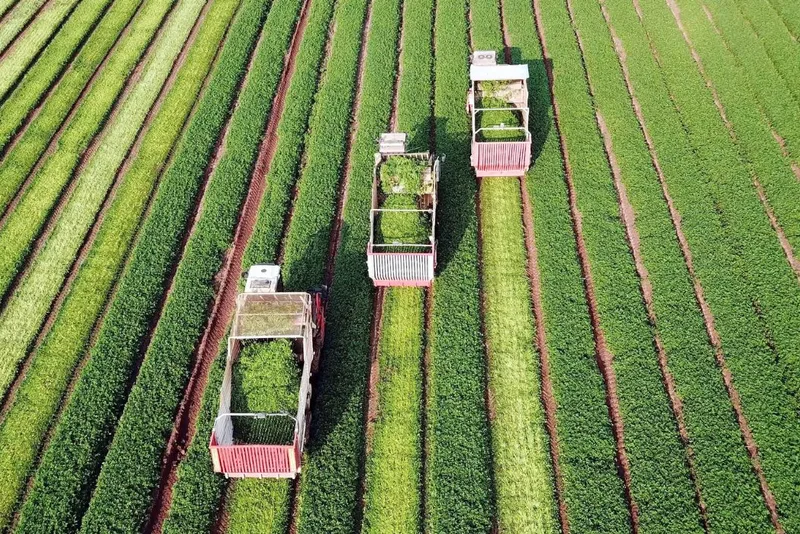
In food and beverage production, it acidifies confectionery, baked goods, and soft drinks where a clean, tart flavor profile is required. Pharmaceutical formulators use it as a buffering agent in effervescent tablets and oral solutions.

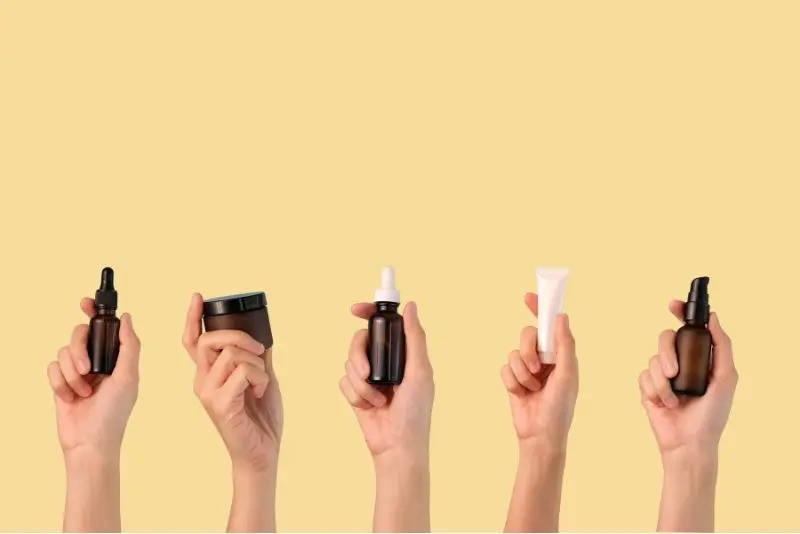
Controlled pH directly affects active ingredient stability and dissolution rate in these medical applications. In personal care, it adjusts pH in creams, serums, and hair treatments, contributing to product stability and skin compatibility.

It also functions as a chelating agent in formulations where metal ion control is needed to prevent oxidative degradation. This versatility makes it a staple ingredient for manufacturers seeking consistent performance across diverse product lines.

DL-tartaric acid is supplied as a white crystalline powder or fine granules for easy handling. Food-grade material meeting FCC specifications is the most commonly sourced grade for acidulant applications in the industry.

Pharmaceutical-grade material conforming to USP and Ph.Eur. monographs is available for regulated manufacturing environments. These high-purity standards ensure the ingredient meets strict safety and quality requirements for global distribution.

Contact us for supply of DL-tartaric acid

Request Quote

Physical Properties

Melting Point 206 °C
Boiling Point 191.59°C (rough estimate)
Density 1.79 g/cm³
Flash Point 210 °C
Appearance white crystalline powder
Color White
Odor at 100.00 %. very mild caramellic
Form Liquid
Water Solubility soluble
Vapor Pressure <0.1 hPa (20 °C)
Refractive Index 1.5860 (estimate)
pH 1.6 (100g/l, H2O, 25℃)
Log P -1.43

Safety & Handling (Learn More)

Danger GHS05 GHS07
Hazard Statements
H315 Causes skin irritation
H318 Causes serious eye damage
H319 Causes serious eye irritation
H335 May cause respiratory irritation
Precautionary Statements
P261 Avoid breathing dust/fume/gas/mist/vapours/spray.
P264 Wash … thoroughly after handling.
P271 Use only outdoors or in a well-ventilated area.
P280 Wear protective gloves/protective clothing/eye protection/face protection.
P317 Get emergency medical help.
P319 Get medical advice/attention if you feel unwell.
P321 Specific treatment (see … on this label).
P405 Store locked up.
P501 Dispose of contents/container in accordance with local regulations.
P264+P265 Wash … thoroughly after handling.
P302+P352 IF ON SKIN: Wash with plenty of water.
P304+P340 IF INHALED: Remove person to fresh air and keep comfortable for breathing.
P332+P317 Get emergency medical help.
P337+P317 If eye irritation persists: Get medical advice/attention. Get emergency medical help.
P362+P364 Take off contaminated clothing and wash it before reuse.
P403+P233 Store in a well-ventilated place. Keep container tightly closed.
P305+P351+P338 IF IN EYES: Rinse cautiously with water for several minutes. Remove contact lenses, if present and easy to do. Continue rinsing.
P305+P354+P338 IF IN EYES: Rinse cautiously with water for several minutes. Remove contact lenses, if present and easy to do. Continue rinsing.

Trade & Regulatory

HS Code 29181200
Storage Class 11 - Combustible Solids
WGK (Germany) 3

Documentation

Other Names

2,3-Dihydroxybutanedioic acid|RefChem:935304|GlyTouCan:G35198MQ|G35198MQ|Butanedioic acid, 2,3-dihydroxy-, (2R,3R)-rel-|Tartaric acid, (±)-|Butanedioic acid, 2,3-dihydroxy-, (R*,R*)-(±)-

Related Products

Need a chemical? Get a quote within 24 hours.

Call Request Quote