














D-xylose

CAS Number
58-86-6
EC Number
200-400-7
Chemical Formula
C5H10O5
Molecular Weight
150.13 g/mol
FEMA Number
FEMA 3606

Description

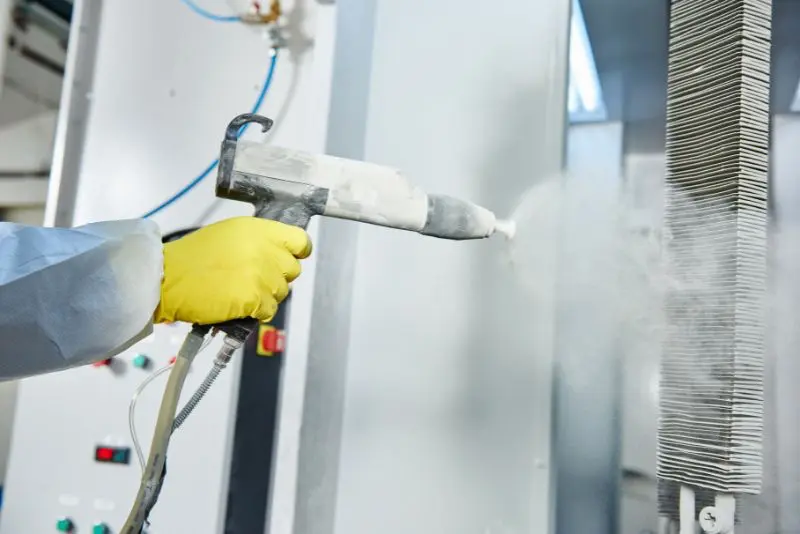
D-xylose (CAS 58-86-6), also known as wood sugar, is a naturally occurring pentose monosaccharide derived primarily from hemicellulose hydrolysis of plant materials such as corncobs and birch wood. In industry, it functions as a reducing sugar, humectant, and Maillard reaction precursor across food, pharmaceutical, and cosmetic manufacturing. In food production, it is used to generate brown color.

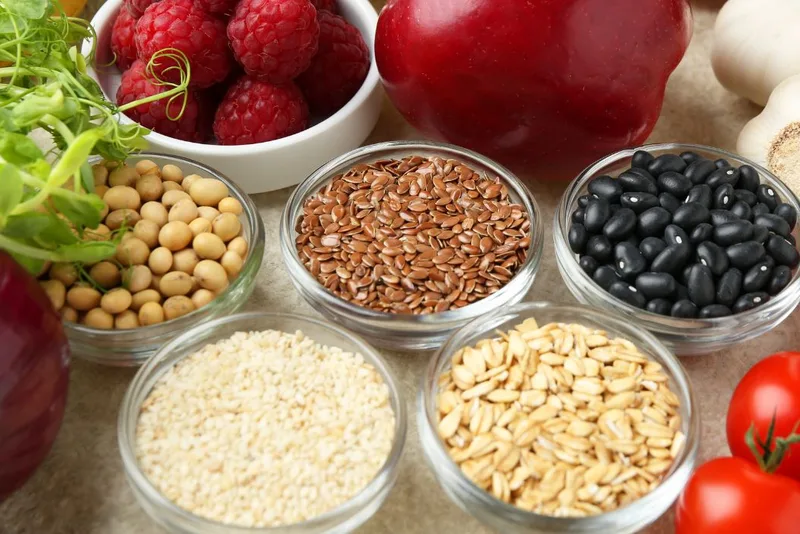
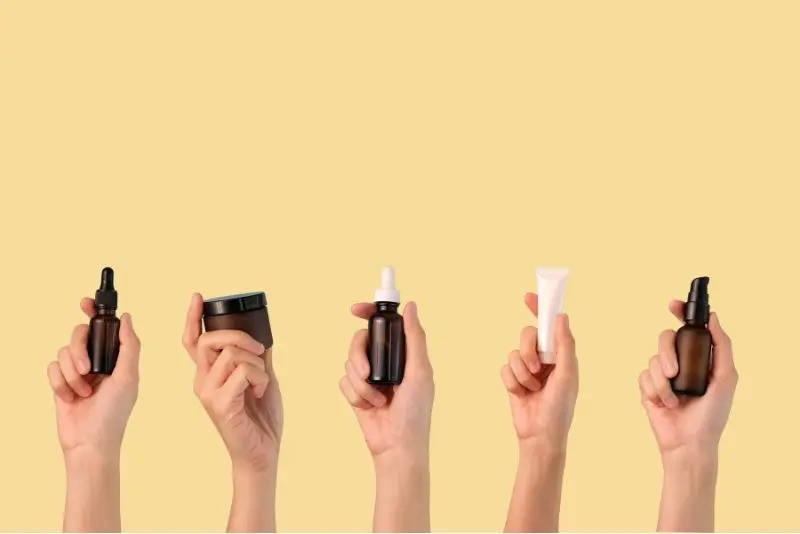
It creates roasted flavor notes in baked goods, confectionery, and savory products through controlled Maillard reactions with amino acids. Pharmaceutical manufacturers use it as an excipient in oral formulations. It also serves as a diagnostic reference standard for intestinal absorption testing. In cosmetic formulations, it acts as a humectant and skin-conditioning agent in moisturizers and serums.

Its water-binding capacity supports product stability and skin feel. It also serves as a fermentation substrate in biotechnology processes for producing xylitol and other bio-based compounds. D-xylose is supplied as a white crystalline powder or fine granules. Food-grade material conforming to FCC specifications is the most commonly traded form for industrial use.

USP and BP grades are available for pharmaceutical applications. Bulk quantities are typically offered in 25 kg bags, with high-purity grades exceeding 99% for analytical use.

Other Names (Synonyms)

wood sugar|D-Xyl|xylose|D-xylopyranose|Xylomed|d-xylopyranoside|Xylo-Pfan|Xylose, pure

Key Technical Features

  • High Purity Grade standard
  • Consistent Batch Quality
  • Full Regulatory & REACH Support
  • Global Logistics Network enabled

Contact us for supply of D-xylose

Request Quote

Physical Properties

Melting Point 153-154 °C
Boiling Point 191.65°C (rough estimate)
Density 1.525 g/cm³ @ Temp: 20 °C
Flash Point > 100°(212°F)
Appearance white crystals or powder
Color White
Odor Odorless
Form Fine Crystalline Powder
Water Solubility soluble
Refractive Index 20 ° (C=10, H2O)
pH 4.0-6.0 (25℃, 1M in H2O)
Log P -1.98

Safety & Handling (Learn More)

Warning
GHS07· Irritant

Hazard Statements

H315 Causes skin irritation
H319 Causes serious eye irritation
H335 May cause respiratory irritation

Precautionary Statements

P261 Avoid breathing dust/fume/gas/mist/vapours/spray.
P264 Wash … thoroughly after handling.
P271 Use only outdoors or in a well-ventilated area.
P280 Wear protective gloves/protective clothing/eye protection/face protection.
P319 Get medical advice/attention if you feel unwell.
P321 Specific treatment (see … on this label).
P405 Store locked up.
P501 Dispose of contents/container in accordance with local regulations.
P264+P265 Wash … thoroughly after handling.
P302+P352 IF ON SKIN: Wash with plenty of water.
P304+P340 IF INHALED: Remove person to fresh air and keep comfortable for breathing.
P332+P317 Get emergency medical help.
P337+P317 If eye irritation persists: Get medical advice/attention. Get emergency medical help.
P362+P364 Take off contaminated clothing and wash it before reuse.
P403+P233 Store in a well-ventilated place. Keep container tightly closed.
P305+P351+P338 IF IN EYES: Rinse cautiously with water for several minutes. Remove contact lenses, if present and easy to do. Continue rinsing.

Trade & Regulatory

HS Code 29400090
Storage Class 13 - Non Combustible Solids
WGK (Germany) 2

Documentation

Call Request Quote