















Lysine
Description
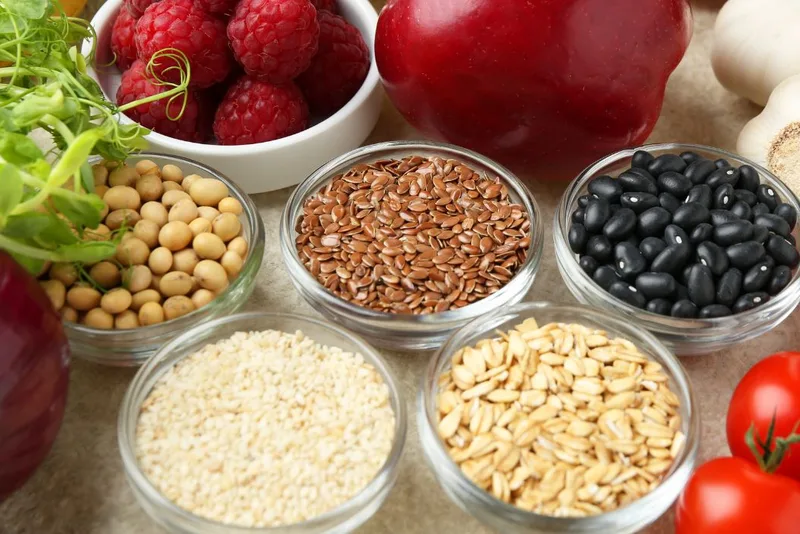
Lysine (CAS 70-54-2), also supplied as DL-Lysine or (±)-Lysine in its racemic form, is an amino acid used across food, pharmaceutical, and personal care manufacturing. It functions primarily as a nutritional supplement, pH buffer, and stabilizing agent in finished formulations. In food and nutrition manufacturing, lysine is added to cereal-based products, protein powders, and animal feed to correct amino acid deficiencies and improve overall protein quality. Pharmaceutical formulators incorporate it as a buffering agent.
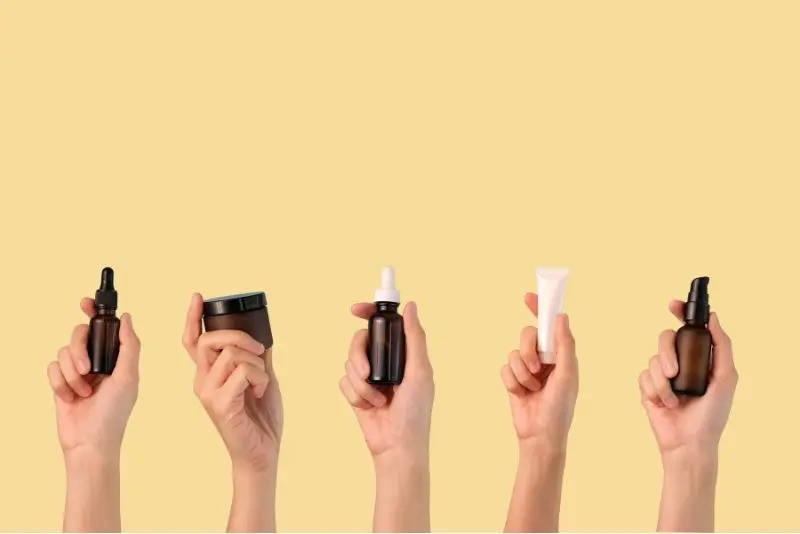
In tablet and injectable formulations, controlled pH is critical to active ingredient stability. In personal care, it supports moisture retention in skin creams, serums, and hair conditioning products, where it helps maintain formulation integrity. It also appears in nutraceutical blends and clinical nutrition products targeting specific dietary supplementation requirements. Lysine is commercially available as a white crystalline powder for various industrial applications.
Standard grades include food-grade (FCC), USP, and pharmaceutical-grade (BP/Ph. Eur.), with the L-form predominating in nutritional and pharmaceutical supply chains. The DL racemic form is available for industrial and research applications. Bulk supply is typically offered in multi-kilogram bags or fiber drums suited to industrial procurement volumes.
Other Names (Synonyms)
Lysine, DL-|(±)-Lysine|2,6-diaminohexanoic acid|DL-lysine
Key Technical Features
- High Purity Grade standard
- Consistent Batch Quality
- Full Regulatory & REACH Support
- Global Logistics Network enabled