













SoleChem

Ethylene oxide

CAS
75-21-8
EC
200-849-9
Mol. Weight
44.05 g/mol

Description

Ethylene oxide (CAS 75-21-8), also known by the abbreviation ETO and the chemical name Oxirane, is a high-volume reactive monomer and sterilizing agent central to multiple industrial supply chains.

It functions as a building block for polymerization reactions, a sterilant for heat-sensitive materials, and a chemical intermediate in the synthesis of downstream derivatives for various sectors.

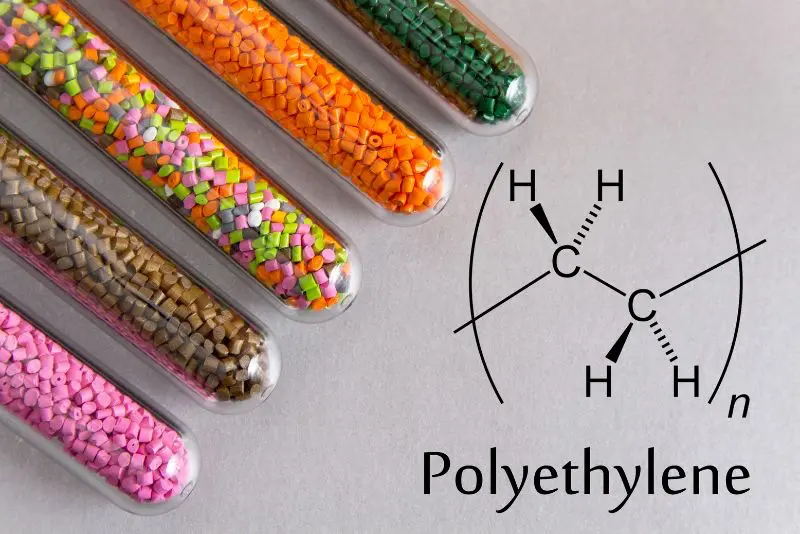
In plastics and polymers, ETO is the primary monomer for producing ethylene glycols, polyethylene glycols, and ethoxylated surfactants used across detergent, textile, and personal care manufacturing.

Pharmaceutical and medical device manufacturers rely on ETO gas sterilization to process single-use equipment, packaging, and instruments that cannot withstand heat or radiation during production.

In agriculture, ETO serves as a fumigant and sterilant for spices, herbs, and certain grain products where microbial load control is required before final processing and distribution to consumers.

Biotechnology and life sciences operations use ETO to sterilize laboratory consumables and culture media components at scale, ensuring the integrity of sensitive research and development environments.

Ethylene oxide is supplied as a liquefied gas under pressure, typically in cylinders, drums, or bulk tank quantities. It is available in technical and pharmaceutical grades for diverse needs.

Pharmaceutical-grade material meets USP and EP specifications for sterilization applications. Grade selection is a critical procurement decision given the regulatory requirements tied to each sector.

Contact us for supply of Ethylene oxide

Request Quote

Physical Properties

Melting Point -111 °C
Boiling Point 10.7 °C @ Press: 760 Torr
Density 0.882 g/cm³ @ Temp: 10 °C
Flash Point <-17.7°C
Appearance Ethylene oxide is a colorless, compressed, liquefied gas or liquid (below 11℃). Sweet odor; the odor threshold is 50 ppm.
Odor Sweet odor detectable at 257 to 690 ppm
Form Colorless gas
Vapor Pressure 1095 mmHg at 20 °C
Refractive Index n 20/D 1.3597(lit.)
Log P -0.30

Safety & Handling (Learn More)

Danger GHS02 GHS05 GHS06 GHS08 GHS04 GHS07 GHS09
Hazard Statements
H220 Extremely flammable gas
H230 May react explosively even in the absence of air
H280 Contains gas under pressure; may explode if heated
H301 Toxic if swallowed
H302 Harmful if swallowed
H314 Causes severe skin burns and eye damage
H315 Causes skin irritation
H317 May cause an allergic skin reaction
H318 Causes serious eye damage
H319 Causes serious eye irritation
H331 Toxic if inhaled
H335 May cause respiratory irritation
H336 May cause drowsiness or dizziness
H340 May cause genetic defects
H350 May cause cancer
H360 May damage fertility or the unborn child
H370 Causes damage to organs
H372 Causes damage to organs through prolonged or repeated exposure
H373 May causes damage to organs through prolonged or repeated exposure
H402 Harmful to aquatic life
H411 Toxic to aquatic life with long lasting effects
H412 Harmful to aquatic life with long lasting effects
Precautionary Statements
P203 Obtain, consult and follow expert instructions for use.
P210 Keep away from heat, hot surfaces, sparks, open flames and other ignition sources. No smoking.
P222 Do not allow contact with air.
P260 Do not breathe dust/fume/gas/mist/vapours/spray.
P261 Avoid breathing dust/fume/gas/mist/vapours/spray.
P264 Wash … thoroughly after handling.
P270 Do not eat, drink or smoke when using this product.
P271 Use only outdoors or in a well-ventilated area.
P272 Contaminated work clothing should not be allowed out of the workplace.
P273 Avoid release to the environment.
P280 Wear protective gloves/protective clothing/eye protection/face protection.
P316 Get emergency medical help immediately.
P317 Get emergency medical help.
P318 IF exposed or concerned, get medical advice.
P319 Get medical advice/attention if you feel unwell.
P321 Specific treatment (see … on this label).
P330 Rinse mouth.
P337 If eye irritation persists: Get medical advice/attention.
P363 Wash contaminated clothing before reuse.
P377 Leaking gas fire: Do not extinguish, unless leak can be stopped safely.
P381 In case of leakage, eliminate all ignition sources.
P391 Collect spillage.
P403 Store in a well-ventilated place.
P405 Store locked up.
P501 Dispose of contents/container in accordance with local regulations.
P264+P265 Wash … thoroughly after handling.
P301+P316 Get emergency medical help immediately.
P301+P317 Get emergency medical help.
P302+P352 IF ON SKIN: Wash with plenty of water.
P304+P340 IF INHALED: Remove person to fresh air and keep comfortable for breathing.
P308+P316 Get emergency medical help immediately.
P332+P317 Get emergency medical help.
P333+P317 Get emergency medical help.
P337+P317 If eye irritation persists: Get medical advice/attention. Get emergency medical help.
P362+P364 Take off contaminated clothing and wash it before reuse.
P403+P233 Store in a well-ventilated place. Keep container tightly closed.
P410+P403 Protect from sunlight. Store in a well-ventilated place.
P301+P330+P331 Rinse mouth. Do NOT induce vomiting.
P302+P361+P354 IF ON SKIN: Take off immediately all contaminated clothing. Rinse skin with water/shower.
P305+P351+P338 IF IN EYES: Rinse cautiously with water for several minutes. Remove contact lenses, if present and easy to do. Continue rinsing.
P305+P354+P338 IF IN EYES: Rinse cautiously with water for several minutes. Remove contact lenses, if present and easy to do. Continue rinsing.

Trade & Regulatory

HS Code 29101000
UN Number 2037
ADR Class 2.3
Storage Class 6.1C - Combustible acute toxic Cat.3 toxic compounds or compounds which causing chronic effects
WGK (Germany) 2

Documentation

Other Names

Oxirane|1,2-Epoxyethane|Anprolene|Oxyfume|Dimethylene oxide|LS 54 (EO-PO Block Copolymer)|ETO

Related Products

Need a chemical? Get a quote within 24 hours.

Call Request Quote